If you’re a veteran or active-duty service member with PCS orders and a mortgage interest rate between 2% and 3.5%, you’re facing a decision many military homeowners never expected to be this complicated:
Do I sell — or do I keep the home and rent it out?
For homeowners leaving Northern Virginia, the answer is often clearer than it first appears.
You’re Holding an Asset That Can’t Be Replaced
Interest rates in the 2–3.5% range are no longer available — and may not be again for a very long time.
That low-rate mortgage gives you:
A payment advantage future buyers and investors can’t replicate
A built-in hedge against inflation
A strong likelihood of positive cash flow or near break-even rents
Selling now means giving up a financing asset that’s arguably more valuable than the home itself.
Northern Virginia Is a Long-Term Rental Stronghold
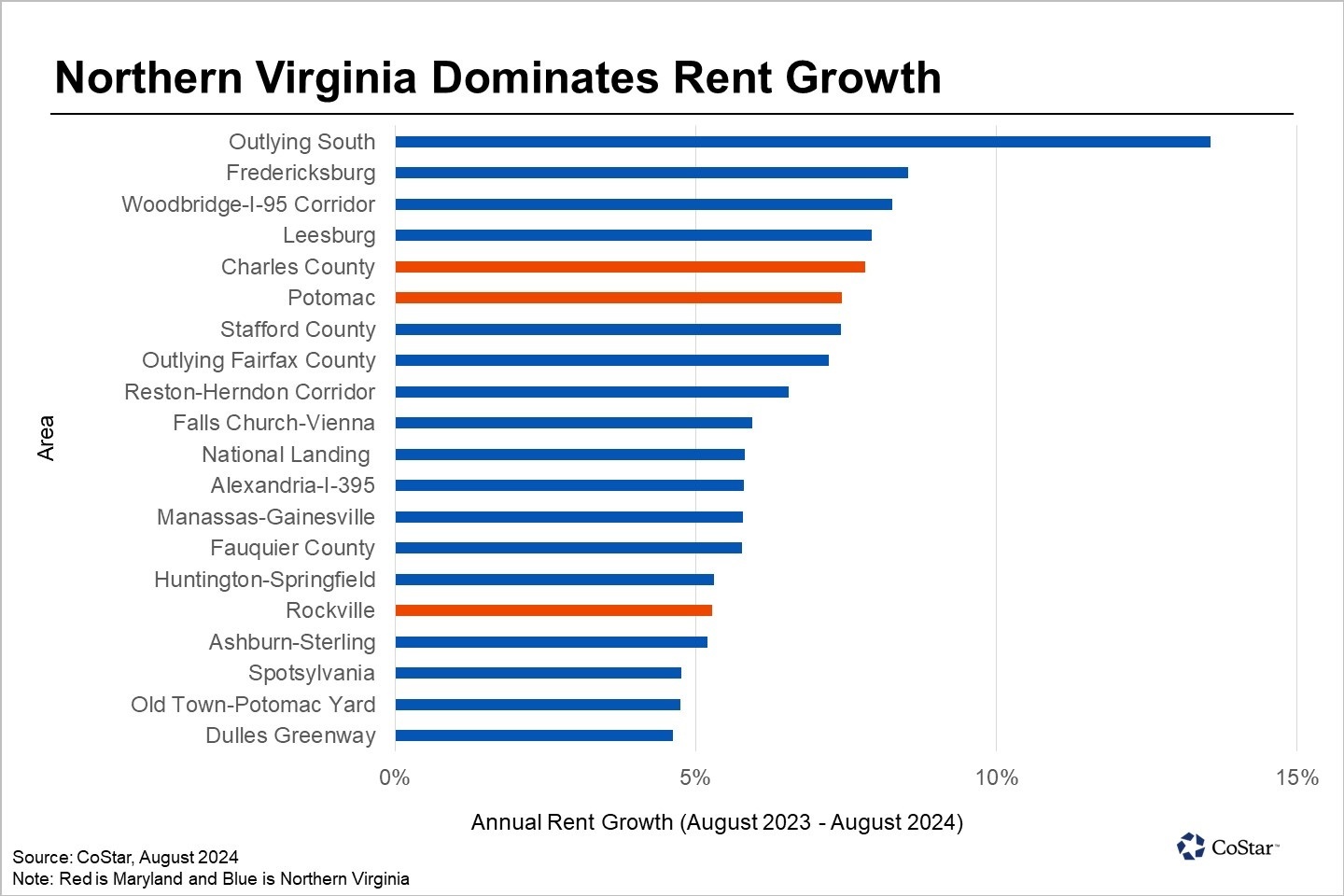
Northern Virginia isn’t just a hot market — it’s a structurally strong one.
Key demand drivers include:
Proximity to Washington, DC
Defense, government, and contractor employment
Ongoing military rotations (including Quantico and Pentagon assignments)
Limited housing supply compared to demand
These factors make Northern Virginia rentals consistently desirable, especially for single-family homes and townhomes.
Renting Converts a PCS Move Into a Wealth-Building Event
Instead of viewing a PCS as a disruption, renting your home allows you to:
✔ Let tenants pay down your mortgage ✔ Benefit from long-term appreciation ✔ Maintain ownership in a top-tier market ✔ Preserve flexibility to sell later under better conditions
Many veterans who kept their first PCS property later say it became their best-performing asset over time.
“But I’m Moving — I Can’t Manage a Rental From Another State”
That’s exactly where professional property management matters.
Managing a rental remotely without support often leads to:
Late-night emergency calls
Tenant issues you can’t address in person
Compliance mistakes
Stress that distracts from your new duty station
A professional manager turns your rental into a passive asset, not a second job.
Why Professional Property Management Is Critical for PCS Landlords
At Mo Wilson Properties, we work with military homeowners who have transferred out of Northern Virginia and want to protect their investment without being involved day-to-day.
We help by:
Pricing your home correctly for today’s rental market
Screening tenants professionally (critical in HOA-heavy communities)
Coordinating maintenance with local, trusted vendors
Handling rent collection, notices, and documentation
Acting as a buffer so you’re not fielding tenant calls from another time zone
Your role becomes owner, not operator.
Keeping the Property Preserves Your Options
Selling now is permanent. Renting keeps options open.
By holding the property, you retain the ability to:
Move back after a future assignment
Sell later when rates or pricing improve
Refinance strategically if conditions change
Build long-term equity while someone else pays the loan
Flexibility is one of the biggest advantages military homeowners have — renting preserves it.
The Numbers Often Make Sense — Even If Cash Flow Is Modest
Many PCS landlords worry only about monthly cash flow. But with a low interest rate, the real return often includes:
Principal paydown
Appreciation
Rent growth over time
Tax advantages (consult your CPA)
Even modest or break-even cash flow can still result in a strong total return over time.
Final Thought for Veterans and Active-Duty Owners
If you:
Locked in a 2–3.5% interest rate
Own a home in Northern Virginia
Are PCS-ing to another duty station
You’re holding an asset most investors would love to acquire — but can’t.
Keeping the property and having it professionally managed allows you to serve your next assignment while your investment continues working for you.
Optional Call to Action
If you’re PCS-ing out of Northern Virginia and want to explore renting your home without stress or guesswork, Mo Wilson Properties specializes in helping military homeowners manage confidently from afar. www.MoWilsonProperties.com (703) 878-0000. We are Veteran family owned real estate company.
Prince William County Rental Market Trends (2020–2026): What Landlords Need to Know
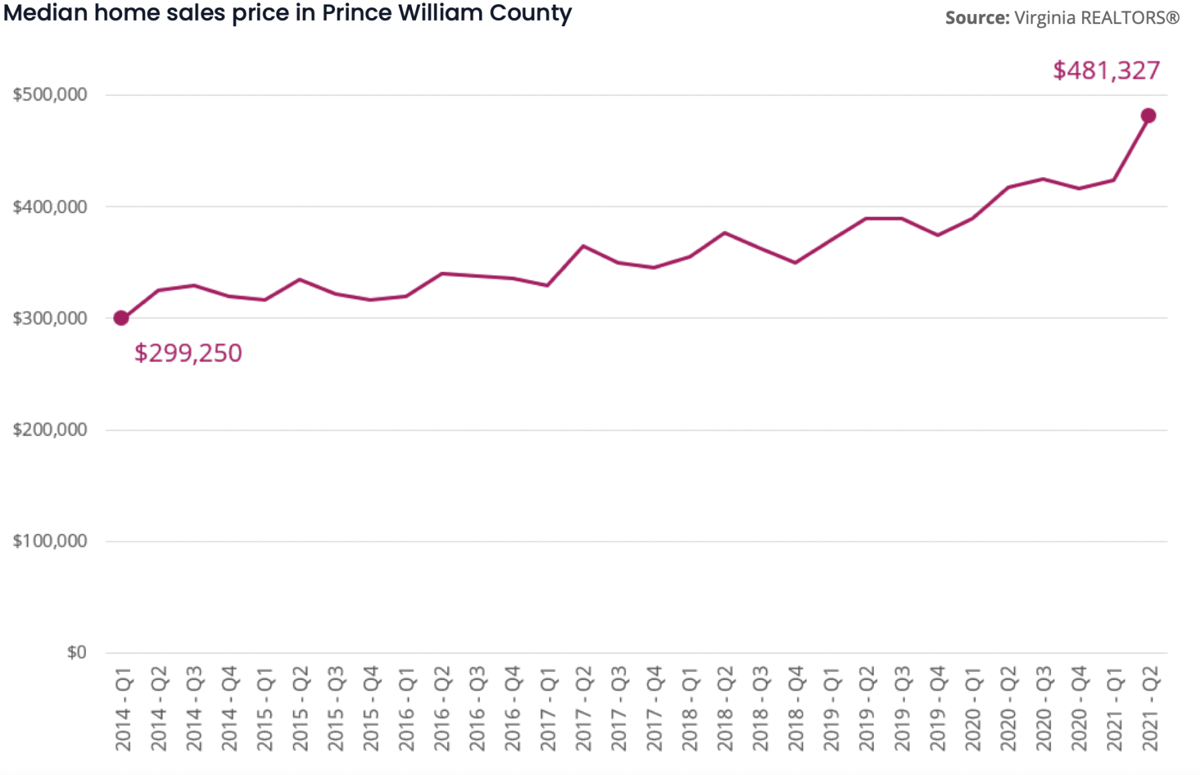
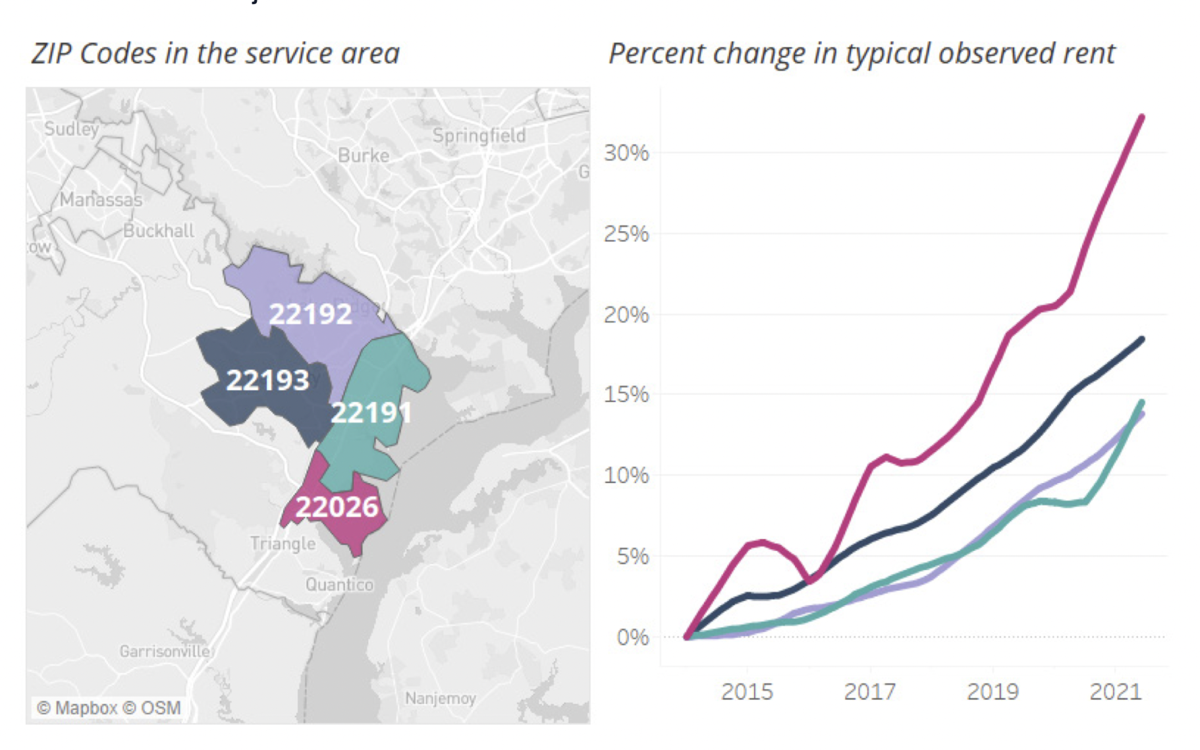
Understanding rental market trends is critical for landlords who want to price correctly, reduce vacancy, and protect long-term returns. In Prince William County, the rental market has gone through distinct phases of growth and stabilization since 2020.
Below is a high-level look at how rents have changed — and what it means for property owners today.
Rental Market Snapshot: 2020–2026
Illustrative trend shown above reflects aggregated rental index data from regional housing reports and listing platforms. While individual neighborhoods and property types vary, the overall direction is clear.
Key Takeaway:
👉 Rents increased sharply from 2020–2023 and then began to stabilize from 2024–2026.
Year-by-Year Breakdown
2020–2021: Pandemic Shift & Early Growth
Increased demand for suburban housing
Remote work pushed renters outward from DC and Arlington
Rents began rising steadily as inventory tightened
2022: Acceleration Year
One of the strongest rent growth periods in Prince William County
Limited housing supply + high demand
Many landlords saw double-digit increases compared to pre-pandemic levels
2023: Peak Growth Period
Rents reached new highs
Demand remained strong, but affordability concerns began to appear
Pricing strategy became more important than ever
2024–2025: Market Normalization
Rent growth slowed to low single digits
Vacancy rates stabilized
Overpricing began leading to longer days on market
2026: Stability Over Surges
Rents remain historically high, but increases are modest
Market favors well-managed, well-priced homes
Professional pricing and tenant quality matter more than aggressive rent hikes
What This Means for Prince William County Landlords
✔ Rental income is significantly higher than in 2020 ✔ The era of automatic, rapid rent increases is over ✔ Pricing too high now causes longer vacancy, not higher returns ✔ Strategic management is the difference between stability and stress
This is no longer a “set it and forget it” rental market.
Why Professional Management Matters in a Stabilizing Market
As the market levels out, landlords who rely on outdated pricing, delayed maintenance, or poor communication risk losing ground.
At Mo Wilson Properties, we help landlords adapt to current market conditions by:
Using local rent data and real-time trends to price accurately
Reducing vacancy through professional marketing and screening
Coordinating maintenance quickly to protect rent levels
Providing transparent reporting so owners can track performance
In a stable market, execution matters more than optimism.
Final Thoughts
From 2020 to 2026, Prince William County rental rates:
Rose sharply
Reached new highs
Entered a more balanced, sustainable phase
Landlords who understand these shifts — and manage accordingly — are positioned to win long-term.
If you want help navigating today’s rental market with confidence and clarity, Mo Wilson Properties is built to support owners through every market cycle.
Optional CTA
Thinking about your rental pricing or property performance in Prince William County? Contact Mo Wilson Properties for a professional market review and see how today’s trends impact your home. (703) 878-0000 www.MoWilsonProperties.com
Can a Virginia Landlord Charge a Pet Deposit for a Service Dog?
For many landlords in Virginia, pets are a sensitive topic — especially when it comes to deposits, fees, and property damage. One of the most common (and risky) questions landlords ask is:
“Can I charge a pet deposit if the tenant has a service dog?”
The short answer is no — and getting this wrong can expose landlords to serious legal consequences.
Here’s what every Virginia landlord needs to know.
Service Dogs Are Not Considered Pets
Under federal fair housing laws, which apply throughout Virginia, service dogs are not considered pets.
Because of this:
A landlord may not charge a pet deposit
A landlord may not charge pet rent
A landlord may not charge a pet fee
Breed, size, or weight restrictions do not apply
This is true even if the lease states “no pets allowed.”
What About Emotional Support Animals (ESAs)?
While service dogs and emotional support animals are different, the rule about deposits is the same:
ESAs are also not considered pets
Pet deposits, pet fees, and pet rent may not be charged
Landlords may request reliable documentation supporting the need for an ESA (unlike service dogs, where documentation requests are limited)
Many landlords unintentionally violate fair housing law by treating ESAs like traditional pets.
What a Landlord Can Still Do
Although landlords cannot charge a pet deposit for a service dog, they are not left unprotected.
Landlords may still:
Charge the standard security deposit (up to two months’ rent in Virginia)
Hold tenants responsible for actual damage caused by the service dog
Enforce reasonable rules regarding noise, cleanliness, and behavior
Require that the animal does not pose a direct threat to others
What landlords cannot do is charge extra money upfront “just in case” damage occurs.
Common Mistakes Virginia Landlords Make
Landlords often run into trouble by:
Charging a “pet deposit” anyway
Renaming it a “pet fee” to bypass the rule
Denying a service dog based on breed or size
Asking for improper documentation
Applying pet policies to assistance animals
Even well-intentioned mistakes can result in fair housing complaints, fines, and legal costs.
How Mo Wilson Properties Protects Landlords
At Mo Wilson Properties, fair housing compliance is built into every step of our leasing and management process.
We help landlords by:
Properly handling service animals and emotional support animals
Structuring deposits and fees in full compliance with the law
Using compliant lease language
Documenting communication and decisions correctly
Protecting owners from avoidable fair housing violations
Our goal is to protect your investment without exposing you to unnecessary legal risk.
The Bottom Line for Virginia Landlords
✔ You cannot charge a pet deposit for a service dog ✔ Service dogs are not pets under the law ✔ You can recover for actual damages if they occur ✔ Mishandling this issue can be expensive
If you own rental property in Virginia and are unsure whether your lease or policies are compliant, it’s worth reviewing before a mistake turns into a problem.
The 5 Biggest Mistakes Virginia Landlords Make When They Self-Manage — and How to Avoid Them
Owning a rental property in Virginia can be an excellent long-term investment — but only if it’s managed correctly. Many landlords start out self-managing with the best intentions, only to discover later that small missteps can lead to lost income, legal trouble, or constant stress.
Across Virginia, the same five mistakes come up again and again. Understanding them — and knowing how professional property management prevents them — can protect both your property and your return.
1. Not Fully Complying With Virginia Landlord–Tenant Law
Virginia landlord–tenant law is highly specific. Self-managing landlords often make mistakes such as:
Using non-Virginia or outdated lease agreements
Mishandling security deposits or timelines
Issuing incorrect notices for rent, entry, or termination
Taking the wrong steps during an eviction
Even minor errors can lead to court delays, dismissed cases, or financial penalties.
How Mo Wilson Properties Avoids This
At Mo Wilson Properties, leases, notices, and processes are handled using Virginia-compliant documentation and procedures. Our systems are designed to keep owners aligned with current state and local requirements, reducing legal exposure and costly mistakes.
2. Inadequate or Emotion-Based Tenant Screening
One of the most expensive mistakes landlords make is choosing a tenant based on:
A compelling story
Personal trust
Incomplete screening
This often leads to late rent, lease violations, property damage, or eviction.
Our Approach
Mo Wilson Properties uses a structured tenant screening process that evaluates credit, income verification, rental history, and overall qualification — helping owners avoid problem tenants and reduce turnover.
3. Incorrect Rent Pricing
Self-managing landlords frequently:
Underprice out of fear of vacancy
Overprice and suffer extended vacancy periods
Both scenarios cost money.
How We Protect Your Income
Mo Wilson Properties uses local market analysis and rental data to price homes accurately from the start — helping owners maximize rent while minimizing vacancy time.
4. Delayed or Poorly Coordinated Maintenance
DIY landlords often:
Delay small repairs until they become big ones
Use unvetted contractors
Attempt repairs that should be handled professionally
This can increase costs, upset tenants, and even create liability concerns.
Our Maintenance Coordination
Mo Wilson Properties coordinates maintenance using reliable, local vendors, responding quickly to issues and addressing problems proactively to protect the property and tenant satisfaction.
5. Letting Emotions Drive Business Decisions
Self-managing landlords sometimes:
Let rent slide “just this once”
Avoid enforcing lease terms
Delay difficult conversations or actions
Unfortunately, inconsistency almost always leads to bigger problems.
Our Professional Buffer
Mo Wilson Properties acts as a neutral, professional intermediary, enforcing leases consistently and documenting all actions. This protects owners while preserving professionalism in tenant relationships.
Why Many Virginia Landlords Choose Professional Management
Most landlords don’t struggle because they don’t care — they struggle because property management is a system, not a side task.
Professional management helps eliminate:
Compliance guesswork
Costly tenant mistakes
Time-consuming emergencies
Emotional decision-making
Mo Wilson Properties provides full-service residential property management designed to protect your investment, your income, and your time.
Final Thought
If you’re self-managing a rental in Virginia and feel like:
You’re constantly reacting instead of planning
You’re unsure if you’re fully compliant
Your time investment outweighs your return
It may be time to consider a different approach.
Mo Wilson Properties helps Virginia landlords avoid the most common self-management mistakes — before they become expensive ones. Give us a call (703) 878-0000 or visit www.MoWilsonProperties.com
Not Every Bad Property Management Review Is a Bad Thing
When owners search for a property management company, reviews matter — but they don’t tell the whole story.
In fact, a company with only five-star reviews should sometimes raise an eyebrow.
Why? Because good property management isn’t always popular.
Good Management Means Tough Decisions
A strong property management company does more than schedule repairs and collect rent. We are responsible for:
Enforcing lease terms
Collecting rent on time
Charging tenants for damages
Issuing notices when rent isn’t paid
Evicting tenants who refuse to comply
And here’s the reality most people don’t talk about:
Tenants who violate leases are often the loudest reviewers.
When someone is charged for damage, loses a security deposit, or faces eviction, frustration can turn into a negative online review — even when the lease and the law were followed exactly.
The Bigger Risk for Owners
The real danger isn’t a bad review. The real danger is a property manager who avoids conflict.
Managers who refuse to enforce leases often:
Allow chronic late payments
Ignore damage issues
Create legal and financial risk for owners
Protect tenant feelings instead of owner assets
That may keep reviews quiet — but it costs owners money.
How Smart Owners Read Reviews
Instead of counting stars, smart owners look for context:
Are complaints about rent enforcement or damage charges?
Does the company respond professionally and factually?
Do owner reviews consistently show trust and long-term results?
A calm, documented response often says more than the review itself.
Our Approach
We believe in:
Clear leases
Fair treatment
Consistent enforcement
Protecting the property and the owner
That means we won’t always make everyone happy — and that’s okay.
Because good property management isn’t about popularity. It’s about accountability.
Final Thought
A few negative reviews can actually be a sign that a property management company is doing its job.
If you’re an owner who wants protection, transparency, and strong enforcement — that’s where we come in.
📞 Contact us to talk about managing your property the right way. (703) 878-0000 www.MOWilsonProperties.com
A towing operator that has contracted with the landlord of a multi-family dwelling may not tow a vehicle for having an expired registration or inspection sticker without providing 48 hours’ warning through a written notice posted on the vehicle. This notice must include the date of posting, and the towing operator must provide a copy of it to the landlord.
A towing operator who fails to post the correct notice, or who tows a vehicle without allowing proper notice, can be fined up to $100 and will be required to reimburse the vehicle’s owner for any towing, storage, or safekeeping costs.
(This is being reviewed in House Bill 925)in Virginia.
We’ll now shift to House Bill 906 and SB 480, which concern disconnection of service by a public utility for failure to pay. A public utility is one that’s owned and operated by a locality in Virginia.
Public utilities are restricted as follows from disconnecting residential customers for nonpayment of bills and fees:
Electric utilities may not disconnect if, during the 24 hours following the scheduled disconnection, the temperature is forecast to be 32°F or below, or 92°F or higher.
Gas utilities may not disconnect if, during the 24 hours following the scheduled disconnection, the temperature is forecast to be 32°F or below.
Water and wastewater utilities may not disconnect if, during the 24 hours following the scheduled disconnection, the temperature is forecast to be 92°F or higher.
National Weather Service forecasts must be used to establish predicted temperature ranges in the area where the customer is located.
According to HB 906 and SB 480, no utility may disconnect a customer for nonpayment of bills or fees on any of the following days:
Fridays
Weekends
State holidays
Any day that falls before a state holiday
Residential disconnections are also forbidden unless the customer’s account is 45 days in arrears.
The bills require each subject utility to provide customers with a copy of its disconnection policy when service is established and when disconnection for nonpayment is scheduled. The policy must also appear on the utility’s website. All required notices must be in English and Spanish, and must include information about payment plans and energy assistance programs.
Notices of nonpayment must be delivered by at least one of the following methods: mail, email, text message, phone call, or door hanger.
You need to file an “Unlawful Detainer” with the court.
With unlawful detainers, they apply to squatters who occupy a property and claim to hold a lease that might or might not be genuine.
Imagine a scenario in which a property owner tries to get rid of a squatter by claiming trespass. Then, when sheriff’s deputies arrive to remove the squatter, the squatter claims to have a lease. At this point, law enforcement will be unable to remove the squatter, and the dispute becomes a matter for a civil court. A new bill, HB 1482, allows for emergency hearings in unlawful detainer actions of this kind that involve residential, single-family units.
According to HB 1482, an emergency hearing is possible if three conditions apply:
The court finds, based on the evidence, that there is not, nor has there ever been, a rental agreement between the property owner and the defendant.
The defendant is occupying the unit without the owner’s permission.
The owner gave the defendant written notice to vacate the unit at least 72 hours before a summons was filed.
If there are grounds for an emergency hearing, this hearing must take place as soon as practicable, within 14 days of filing. If it’s not possible to hear the case within 14 days of filing, it must be heard within 30 days of filing.
Can my Landlord charge me EFT Charges for rent, security deposit and other amounts payable by a tenant. House Bill 1519 prohibits landlords from charging any fee if a tenant wants to make payments using an EFT. The bill also would have made it a violation of the Consumer Protection Act to impose a fee or surcharge for using an EFT to purchase any good or service, with the exception of ATM service fees or cases where the purpose of the service is to expedite an EFT. We use a program called Appfolio and as a property manager, we are eating the fees as the real estate property management company. Most tenants can also pay with ACH and it does make collecting rent between tenant and landlord a lot easier and timely.
What happens with assault survivors and early Lease termination
We are fortunate that we have not had to deal with this, but the Virginia House Bill 764 changes the circumstances under which survivors of sexual abuse or criminal sexual assault may terminate their leases before they expire. Early termination is now available to survivors who have obtained permanent protective orders and provided appropriate notification. As with earlier versions of the law, a tenant may also terminate early if they have an order of protection, or if the perpetrator has been convicted of sexual assault, sexual abuse, or family abuse.
Notification requirements in this area have also changed. Previously, a tenant’s notice of termination to the landlord had to specify an effective date for the termination that was at least 30 days after the next date when rent was due. Under HB 764, the tenant’s notice of termination simply becomes effective 30 days after it has been served on the landlord. The tenant remains responsible for providing the landlord with a copy of either the order of protection or the conviction order. The tenant will also remain liable for any rent that’s payable before the termination date. Communication is key for all parties.